
Florida summer gets a bad reputation in the garden, and honestly, it has earned some of it. It is hot. It is humid. The rain shows up whenever it feels like it. The sun is personal. And by July, some plants are simply looking around like, “I did not agree to these working conditions.”
But summer landscaping in Florida does not have to mean giving up until October. It just means choosing plants that actually enjoy our version of summer instead of trying to force something that would rather be in North Carolina wearing a light sweater.
This is where tropical color and pollinator-friendly plants can really shine. With the right choices, your landscape can be bright, full, and full of life, even when the weather feels like a steam room with mosquitoes.
Before we get into the fun stuff, we have to talk about the thing that solves about 75% of landscape problems before they start: putting the right plant in the right place. Not every pretty plant belongs in full sun. Not every “sun-loving” plant wants to be baked against a west-facing wall next to a driveway in July. That is not full sun. That is attempted murder.
Look at where you are planting before you pick the plant. Is it full sun all day? Morning sun and afternoon shade? Deep shade? Does the area drain well after a summer storm, or does it hold water long enough to qualify as waterfront property?
Florida-Friendly Landscaping principles are built around this idea for a reason. When plants are matched to the right amount of sun, water, soil, and space, they are usually healthier, lower maintenance, and much less dramatic. And we all have enough drama already. We do not need it from a shrub.
If your spring flowers are starting to fade, stretch, or give up entirely, it may be time for a summer refresh.
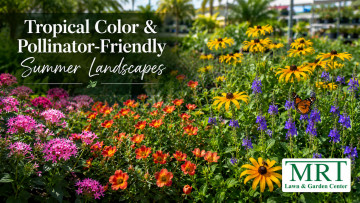
Good summer color in Southwest Florida usually comes from plants that can tolerate heat, humidity, and our afternoon rain pattern. Some of our favorite options for summer containers and landscape beds include vinca, pentas, coleus, salvia, portulaca, lantana, and other tropical plants that bring strong color without needing constant emotional support.
Pentas are especially great for summer because they bring bright clusters of flowers and are loved by butterflies and hummingbirds. Vinca is another summer workhorse, especially in sunny spots with good drainage. Coleus is a great choice when you want bold color from foliage instead of flowers, and it can be beautiful in containers, hanging baskets, or mixed beds.
The big thing is not just what you plant. It is where you plant it. Vinca does not want wet feet. Coleus may prefer a little relief from the harshest afternoon sun depending on the variety. Portulaca loves heat and sun but will not be thrilled in a soggy bed. Pentas like sun and can bring serious color, but like most plants, they still appreciate decent soil and proper watering while they get established.
Basically, plants are like people at a party. Some want to be in the middle of the action. Some want a shady corner. Some need a drink. Some need to be left alone.
A colorful landscape is nice for us, but it can also be useful for butterflies, bees, hummingbirds, and other pollinators.
Pollinator-friendly landscapes do not have to look wild or messy. You do not have to turn your front yard into a jungle and start explaining it to the HOA as “an ecological statement.” You can create a clean, attractive landscape that still supports wildlife by mixing flowering plants, using a variety of bloom shapes and colors, and avoiding unnecessary pesticide use.
Flowers with nectar are especially helpful for butterflies and hummingbirds. Plants like pentas, salvia, lantana, firebush, milkweed, porterweed, and native wildflowers can all play a role depending on the space and the look you want.
The goal is to create layers and variety. A few flowering shrubs, some colorful perennials, a few annuals for seasonal pop, and maybe a container or two near the patio can make a big difference. Pollinators are not nearly as picky as some of your houseguests. Give them flowers, nectar, and a safer place to visit, and they usually get the message.
If you are not ready to redo a whole bed, containers are one of the easiest ways to add tropical color. A few colorful pots by the front door, around the pool cage, near the patio, or along a walkway can completely change the feel of an outdoor space. They are also easier to adjust if something is getting too much sun, not enough sun, or is simply not living up to expectations.
For summer containers, start with good potting soil and make sure the container drains. This is not optional. A beautiful pot with no drainage hole is just a decorative plant coffin.
Mixing plants can work beautifully but keep the conditions similar. Do not put a drought-loving plant in the same pot as something that wants frequent water. One of them is going to be annoyed, and eventually, one of them is going to win.
For a tropical summer look, try combining bold foliage with bright flowers. Coleus, crotons, caladiums, cordylines, pentas, vinca, and trailing plants can all create that full, colorful, “yes, I meant to do this” look.
And if your patio needs a little help before company comes over, fresh containers are one of the quickest ways to make everything look intentional. Even if the rest of your yard says, “We are doing our best.”
Mulch is not the flashiest topic, but it is one of the most useful things you can do for summer landscapes. A fresh layer of mulch helps moderate soil temperature, retain moisture, reduce weeds, and make landscape beds look cleaner. It is also one of the fastest ways to make a yard look refreshed without redesigning the entire thing.
Just do not pile mulch up against plant trunks or palm trunks. The volcano mulch look is not a goal. It traps moisture against the plant and can create problems. Think donut, not volcano. Leave a little breathing room around the base of plants and trees.
Summer rain can make watering confusing. It rains every afternoon for a week, and then suddenly it skips your house completely while soaking the neighborhood across the street. Florida weather likes to keep everyone humble.
New plants still need attention while they establish. Even during rainy season, check the soil instead of assuming the plant got what it needed. Containers dry out faster than landscape beds, especially in full sun. On the other hand, beds with poor drainage can stay too wet, which can cause root problems. If you don’t have a moisture meter, we highly recommend adding one to your gardening tool arsenal. They’re a cost effective way to keep the guessing out of watering. The goal is even moisture, not constant sogginess. Most plants do not want to live in soup.
A pollinator-friendly landscape does not mean you can never treat for pests. It just means being thoughtful. Identify the problem before spraying. Treat only when needed. Follow label instructions. Avoid spraying open blooms when pollinators are actively visiting. More product is not better. More product is usually just more expensive and more likely to cause trouble.
Sometimes the best first step is bringing a photo or sample to MRT so someone can help you figure out what is actually going on. Florida has a lot of bugs, and not all of them are bad guys. Some are helpful. Some are neutral. Some are absolutely up to something.
You do not have to overhaul your entire landscape to make it feel more alive in summer. Refresh a front bed with heat-tolerant color. Add pollinator plants near a sunny corner. Put a few containers by the patio. Replace tired spring annuals with summer performers. Add mulch. Clean up the edges. Suddenly the whole yard looks better, and you did not have to pretend you enjoy landscaping at noon in July.
At MRT, we can help you find tropical color, pollinator-friendly plants, pottery, mulch, soil, and the supplies you need to keep your outdoor space looking good through the hottest part of the year. Because your landscape can still be colorful in summer. It just needs plants that are built for Florida, not plants that faint the second the humidity hits 90%.